Nano Nightmares: The Emerging Perils of Tiny Technology
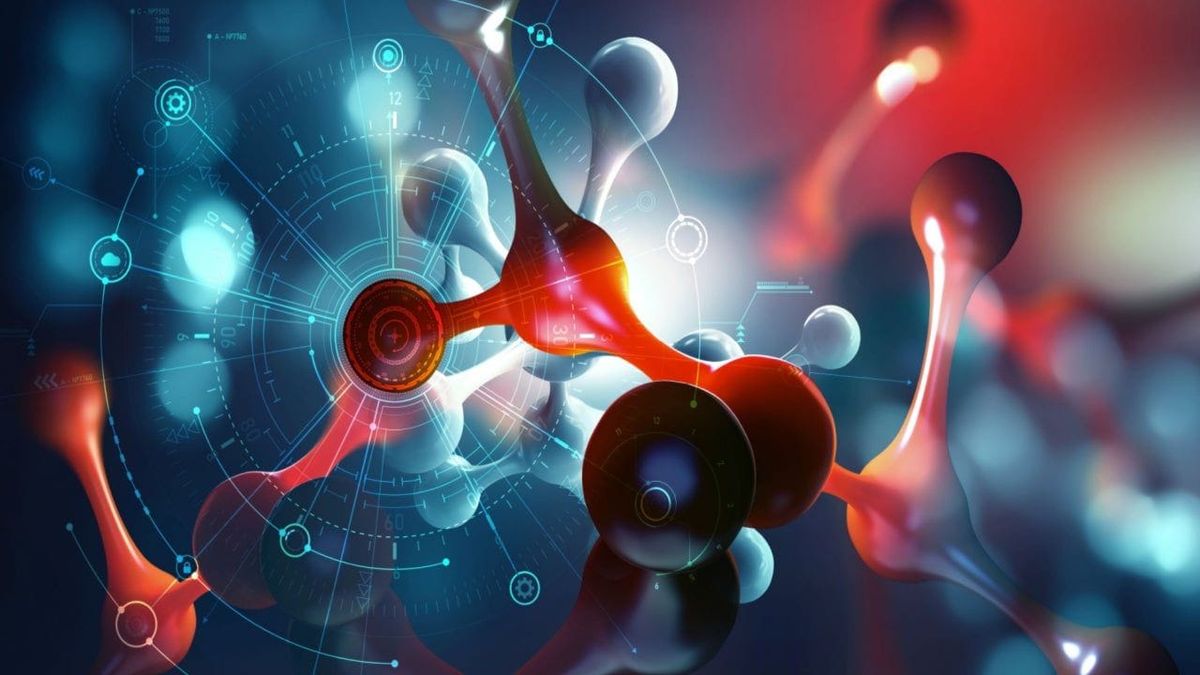
Nano technology is a rapidly growing field that involves the manipulation of matter on an atomic and molecular scale. While it has the potential to revolutionize many industries, including medicine and electronics, there are also significant potential dangers associated with this technology.
Here we will explore some of the potential dangers of nano technology, including environmental impacts, health risks, and ethical concerns.
Environmental Impacts
One of the potential dangers of nano technology is its impact on the environment. Nano particles can be released into the air or water during the manufacturing process or when products containing nano materials are disposed of.
These particles can have negative effects on ecosystems and wildlife, as well as potentially impacting human health. It is important for companies and governments to take steps now, to minimize the environmental impact of nano technology.
Health Risks
Another potential danger of nano technology is the risk to human health. Nano particles can enter the body through inhalation, ingestion, or skin contact, and may have toxic effects.
Research has shown that certain types of nano particles can cause inflammation, damage to organs, tissue and DNA itself. It is important for workers in the nano tech industry to take precautions and protect themselves from exposure. There is also a need for regulators to set safety standards and perhaps even review the effectiveness of current PPE when handling certain nano particles.
Ethical Concerns
In addition to environmental and health risks, there are also ethical concerns surrounding nano technology. For example, the use of nano particles in military applications could lead to new forms of warfare that are difficult to control or defend against.
There are also concerns about the potential for nano technology to exacerbate existing social inequalities, as only those with access to the technology would benefit from its advances. It is important for society to consider these ethical implications as nano technology continues to develop.
Regulation and Oversight
Given the potential hazards of nano technology, it is important for there to be strong regulation, oversight and perhaps global safety standards for workers and consumers, as well as monitoring the public and the environmental impact of nano materials. It is important for there to be transparency in the development and use of nano technology, so that the public can be informed and involved in decision-making processes.
Conclusion
Nano technology has the potential to bring about significant advances in many fields. That said, it is important for researchers, regulators, and policymakers to carefully consider the potential risks and benefits of nano technology and take steps to mitigate any potential dangers.
By taking steps to minimize environmental impact, consider ethical implications and protect workers and the general public we can work towards harnessing the benefits of nano technology while minimizing its risks.
About the author: Will McMaster is a futurist, engineer and entrepreneur with more than 20 years of experience leading technology and security initiatives around the globe. He has driven innovation and R&D for Fortune 50 companies, founded artificial intelligence and blockchain guilds, holds several patents, and has served as an advisor to the U.S. Department of Defense and the National Intelligence Council. https://www.manifestiq.com